
Elevating Zimbabwe’s Agriculture: Vice President Chiwenga’s Vision Inspired by Russian Farming Innovations

Available in

During a significant visit that might herald a transformative era for Zimbabwe’s agriculture, Vice President Dr. Constantino Chiwenga recently found inspiration in the heart of Russia’s agricultural sector. His tour of the Kazan Agro-Industrial Park and the Komoc Milk and Dairy Processing Plant was not just a diplomatic excursion but a quest for a sustainable model that could invigorate Zimbabwe’s agro-based economy. The essence of his interest? A robust system that empowers small-scale farmers by integrating them directly into the market, thereby enhancing value addition and farmer empowerment.
Breaking New Ground: The Kazan Model
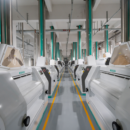
The Kazan Agro-Industrial Park is not just any farming community. With the capacity to support 12,000 farmers, it represents a beacon of innovation in an industry often beleaguered by inefficiencies and middlemen. Here, farmers enjoy direct access to consumers, a streamlined process that not only ensures the quick sale of perishable goods but also maximizes profit margins. This model, which combines storage, processing, sales, and marketing under one roof, echoes a supermarket environment but for the agricultural sector. It’s a forward-thinking approach that offers both backward and forward integration for farmers, a concept that resonated deeply with Vice President Chiwenga.
During discussions with Tatarstan leaders, the vision of adopting a similar model in Zimbabwe took shape. The potential for joint ventures and the exchange of delegations to further study the Russian system was a topic of keen interest. Mr. Oleg Vlasov, the park’s managing director, underscored the initiative’s primary goal to support small-scale farmers without the overarching aim of commercial profit. This philosophy aligns with Zimbabwe’s agricultural aspirations, where empowering farmers could lead to a substantial uptick in productivity and sustainability.
A Mutual Exchange of Opportunities
The Kazan Dairy Plant’s deputy general director, Mr. Alexey Viktorovich, expressed a keen interest in exploring investment opportunities in Zimbabwe. This gesture of goodwill highlights the potential for a symbiotic relationship where both nations could benefit from the transfer of technology and expertise. Zimbabwe’s rich agricultural heritage, combined with advanced Russian agricultural technologies and methodologies, could pave the way for a new era of food security and economic prosperity.
Challenges and Considerations
While the prospect of adopting the Russian agricultural model is filled with potential, it does not come without its challenges. Infrastructure development, initial investment, and training of the local workforce are significant hurdles that Zimbabwe must overcome to replicate such a model successfully. However, the mutual interest shown by both Zimbabwean and Russian officials in fostering agricultural development and cooperation suggests a willingness to tackle these challenges head-on.
The journey towards modernizing Zimbabwe’s agricultural sector through international collaboration is a testament to the power of cross-border partnerships in solving global challenges. As Vice President Chiwenga’s visit to Russia illustrates, the seeds of change, once sown with care and cooperation, can lead to a bountiful harvest that benefits not just a single nation but the global community.