$14m Mobilised for Smallholders as Part of $200m Private-Finance Push

Available in

By Brandon Moss
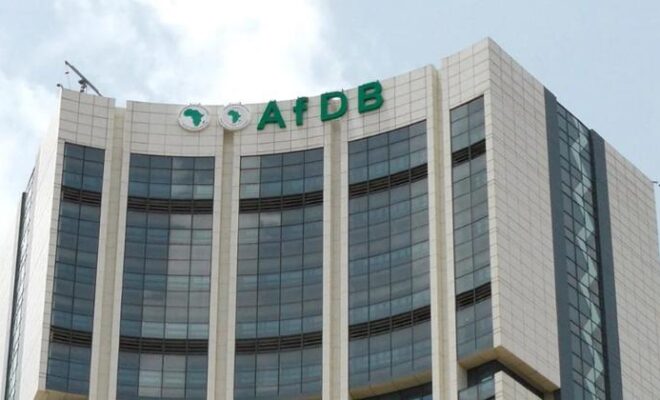
The Global Agriculture and Food Security Program (GAFSP) has made its first capital allocation under the Business Investment Financing Track (BIFT), committing $14 million to the African Development Bank (AfDB) as the start of a broader effort to unlock more than $200 million in private-sector finance for African smallholders. The allocation funds the Agro Inputs Risk Sharing Facility (ARSF), a blended instrument combining $10 million in de‑risking capital with $4 million for technical assistance and capacity building.
The ARSF, administered by the African Trade & Investment Development Insurance, will provide portfolio guarantees to local banks to stimulate lending to agro-input suppliers, cooperatives and intermediary agro-dealers. The facility aims to expand smallholders’ access to certified seed, fertiliser, soil enhancers and mechanisation, and is expected to reach more than 1.5 million farmers and some 500 agro-dealers and cooperatives across initial target countries including Ethiopia, Uganda, Tanzania, Malawi and Zambia.

GAFSP describes BIFT as a blended-finance model that leverages donor grants and concessional funds with multilateral and commercial capital to reduce perceived risk and attract private investment into agriculture. Programme managers highlight the intent to multiply the impact of each donor dollar by crowding in private finance and by coupling de-risking capital with on-the-ground technical support.
The ARSF aligns with continental commitments under CAADP and the Kampala Declaration on Accelerating Africa’s Food Systems Transformation, adopted in 2025. AfDB partners say the facility is designed to strengthen the entire value chain from input supply through market access and to build resilience against climate-driven shocks such as heat stress and water scarcity.
This first tranche under BIFT establishes a template for future blended windows that the AfDB and its partners hope to replicate and scale into additional low-income countries, mobilising private capital to support food security and agricultural transformation across the continent.