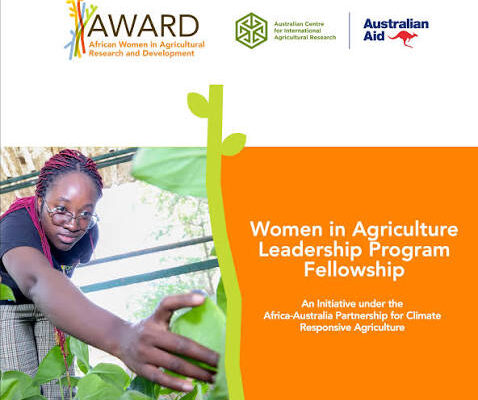

How Women Are Driving Farming to Boost Food Security

Available in

Across Africa and beyond, women are playing a central role in agriculture, transforming food systems, improving nutrition, and strengthening rural economies. While they often work with limited resources, women farmers are proving to be innovators, leaders and custodians of sustainable food production.
Women: The Backbone of Food Systems
Women make up a significant share of the agricultural workforce—often more than half of all farm labour in rural communities. They are involved at every stage of food production, including:
-
planting and harvesting crops
-
managing household gardens
-
processing and preserving food
-
selling produce in local markets
Their work directly influences food availability, diversity and quality, making them essential to national food security.

Closing the Gender Gap in Agriculture
Despite their crucial role, women farmers often face barriers that limit their productivity:
-
Limited access to land and property rights
-
Lower access to credit and financing
-
Fewer opportunities for training and technology
-
Unequal access to agricultural inputs (fertiliser, improved seeds, tools)
Studies show that when women farmers receive the same support as men, crop yields and household food security can increase significantly.
Leadership in Innovation and Climate-Smart Practices
Women are at the forefront of adopting climate-smart agriculture—techniques that help farms withstand changing weather patterns and environmental stress. These include:
-
soil conservation and crop rotation
-
water harvesting and efficient irrigation
-
use of drought-tolerant seeds
-
organic and regenerative farming practices
Their deep local knowledge and adaptability make women powerful agents of change in sustainable agriculture.
Boosting Nutrition and Resilience
Women tend to prioritise nutritious crops and diverse food systems that support family health. Their decisions in planting legumes, vegetables and fruits help improve diet diversity—especially for young children and vulnerable populations.
When women have increased decision-making power, household nutrition improves, and families are better equipped to cope with food shortages.
Entrepreneurship and Value Chains
Many women are moving beyond subsistence farming to become agripreneurs—adding value to raw produce by:
-
processing grains into flour
-
making sauces, juices and preserves
-
creating co-operatives to access markets
By participating in value chains, women secure higher incomes, expand market access, and reinforce local economic resilience.
Community Mobilisation and Cooperative Leadership
Women often organise into farmer groups and cooperatives, pooling resources, sharing knowledge and negotiating better prices. These networks build social capital and strengthen community responses to challenges like droughts or pests.
Policy and Investment Matters
For women’s contributions to fully translate into food security gains, policy support and targeted investment are essential:
-
land tenure reform that recognises women’s rights
-
financial products tailored to women farmers
-
extension services designed for women’s needs
-
training in digital tools and market linkages
When governments and development partners prioritise women in agriculture programming, the benefits extend to whole communities.
Real-World Impact
Across Africa, women’s leadership in agriculture is already driving results:
-
Improved yields and more stable food supplies
-
Growth in rural incomes
-
Expansion of local markets
-
Stronger climate resilience
From smallholder farms in West Africa to commercial horticulture in East Africa, women are shaping the future of farming—ensuring that food security is not just a policy goal but a lived reality.
In Summary
Women are more than participants in agriculture—they are drivers of progress. When supported with resources, rights and recognition, they:
-
boost food production
-
enhance nutrition
-
build resilience to climate change
-
strengthen rural economies
Empowering women in farming isn’t just good policy—it’s essential for sustainable food systems and community wellbeing.