

Africa Agriculture 2025: Trends, Developments & Key Updates
Available in

Africa’s agricultural landscape in 2025 continues to evolve rapidly — driven by innovation, climate pressures, policy shifts, investment inflows, and growing regional trade. Across sub-Saharan Africa, farmers, governments, and private sector actors are shaping a new era of resilient, tech-enabled, and market-driven agricultural transformation.
1. Agritech and Digital Agriculture Take Center Stage
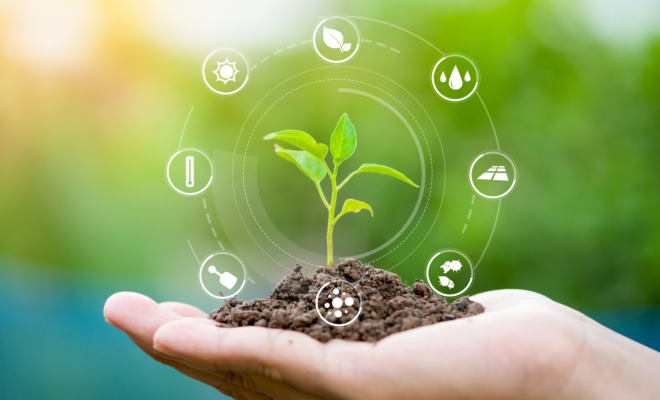
One of the most significant developments in 2025 is the acceleration of agritech adoption across the continent. Technologies such as artificial intelligence (AI), the Internet of Things (IoT), drones, and data analytics are no longer niche — they are becoming core tools for improving productivity and climate resilience.

- Precision Agriculture tools — including sensors and satellite imagery — help farmers optimize water and nutrient use, reduce input costs, and increase yields.
- AI-powered advisory platforms and mobile apps are scaling access to real-time soil diagnostics, pest alerts, and weather forecasts for smallholder farmers.
- Blockchain solutions are improving traceability and trust in value chains, especially for high-value exports like coffee and cocoa.
This digital shift supports millions of farmers with data-driven decision-making and connects rural communities to broader markets.
2. Climate-Smart and Sustainable Agriculture Gains Momentum
As climate change intensifies — bringing droughts, erratic rainfall, and heat stress — African farmers are adopting climate-smart agriculture (CSA) practices at scale: drought-tolerant seeds, regenerative soil management, and solar-powered irrigation systems.
National programs in countries like Kenya are distributing subsidized drip irrigation and solar pumps to smallholders, expanding resilience in drought-prone regions.
Meanwhile, carbon farming initiatives — such as soil carbon credit programs in South Africa — are establishing new income streams for farmers while improving soil health and reducing emissions.
3. Rising Investment and Agribusiness Growth
In 2025, agri-investment flows are increasing as agriculture becomes a priority for both domestic and global investors. Growth is notable in sectors like:
- Horticulture exports and value-added food processing.
- Cold-chain logistics and seed genetics markets supporting year-round supply chain development.
- Private capital entering African agrifood markets — from Gulf, European, and Asian funds targeting irrigation, animal protein, and climate-resilient crops.
Partnerships like the $1 billion agricultural cooperation between Nigeria and Brazil aim to boost mechanized farming and service infrastructure, signaling a shift from subsistence to more commercial agriculture.
Additionally, the planned fertilizer plant in Ethiopia, backed by one of Africa’s richest investors, could significantly expand regional fertilizer supply, reduce costs, and strengthen maize, wheat, and other crop production.
4. Policy, Regional Trade, and Institutional Support
African governments and regional bodies are actively driving agricultural policy reform:
- The African Union’s transition from the Malabo CAADP Agenda to the new Kampala Agenda (2026–2035) emphasizes building resilient and sustainable agrifood systems and boosting intra-African agricultural production.
- The African Continental Free Trade Area (AfCFTA) is enhancing regional food trade, projected to increase intra-African agricultural exchanges by up to 20% in 2025, improving access to markets and supporting value chain integration.
- Expanded support for pastoral systems through multi-country commitments aims to strengthen livestock productivity and rural livelihoods.
These policy actions are crucial for reducing import dependency, expanding export opportunities, and stimulating home-grown agricultural growth.
5. Food Security, Seed Systems, and Genetic Resources
Food security remains a core challenge in 2025. Climate-related pressures, especially water scarcity in countries like Nigeria, are impacting yields and raising concerns about food affordability and stability.
Efforts to secure crop diversity gained global attention with the deposit of over 100,000 African seeds into the Svalbard Global Seed Vault, safeguarding genetic resources vital for future breeding and resilience.
International collaborations such as the Indo-African Seed Summit also underscore the importance of seed quality and access, offering pathways to improve productivity through better genetics.
6. Market Diversification and Export Growth
Countries are actively diversifying agricultural products and export destinations:
- South Africa expanded fresh produce exports to Asian markets and pursued new trade relationships, boosting citrus, grapes, and fruit shipments while diversifying beyond traditional markets.
- The horticulture and animal production sectors are among the most resilient, with ongoing growth supporting export competitiveness.
These shifts enhance foreign-exchange earnings and reduce vulnerability to single-market dependencies.
Looking Ahead — Key Trends Beyond 2025
Digital scaling of precision farming and AI tools will continue reshaping productivity across smallholder and commercial operations. Climate finance and carbon markets may offer new revenue streams for sustainable practices. And strong regional cooperation through AfCFTA could strengthen food systems and market connectivity across Africa.


