
Tanzania Showcases AI-Driven Agricultural Reforms at Africa Food Trade Summit in Nairobi

Available in

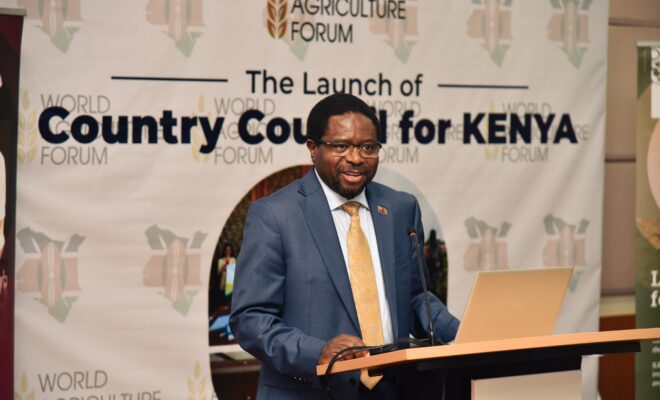
David Silinde represented Tanzania at the Private Sector Engagement Summit on Sustainable Food Trade and Investment in Africa, held in Nairobi, where he highlighted the country’s growing use of artificial intelligence (AI) and digital technologies to transform agriculture.
The high-level summit, jointly organised by the Organisation for Economic Co-operation and Development (OECD) and the Government of Kenya, was officially opened by William Kabogo, Kenya’s Cabinet Secretary for Information, Communication and the Digital Economy. Discussions focused on how AI and digital innovation can address climate change, water scarcity and productivity constraints across Africa’s agricultural sector.
Driving Digital Transformation in Agriculture

Addressing delegates, Silinde outlined Tanzania’s ongoing digital transformation strategy within agriculture. Key initiatives include the nationwide digital registration of farmers, improved administration of agricultural input subsidies, and the strengthening of integrated agricultural data systems.
According to Silinde, these digital tools have significantly improved transparency, efficiency and inclusivity across the agricultural value chain. By modernising data collection and subsidy management, Tanzania is creating a more accountable and responsive system that benefits both smallholder farmers and agribusiness stakeholders.
AI for Smarter Planning and Trade Intelligence
Silinde further noted that AI-powered systems are now being used to forecast crop production trends, assess market demand and generate actionable trade intelligence. These capabilities are enabling policymakers to make data-driven decisions while helping farmers better plan planting cycles, manage supply, and align production with market needs.
The integration of AI with real-time weather data from the Tanzania Meteorological Authority has also strengthened early warning systems for droughts and floods. This has enhanced farmers’ resilience to climate shocks and supported more proactive, climate-smart agricultural planning.
Streamlining Trade and Investment
In addition to technological reforms, Silinde showcased Tanzania’s streamlined agricultural licensing systems, designed to simplify regulatory procedures and reduce trade barriers for both domestic and international stakeholders.
He emphasised that these reforms underscore Tanzania’s commitment to positioning digital innovation as a catalyst for sustainable agricultural growth, improved food security, and expanded intra-African trade.
As African governments increasingly turn to AI and digital solutions to modernise agriculture, Tanzania’s approach signals a broader continental shift toward technology-driven food systems capable of meeting both climate and market challenges.