

South Africa’s Economy Grows 1.1% in 2025 Driven by Agriculture and Services
Available in

South Africa recorded 1.1% economic growth in 2025, supported largely by strong performances in the agriculture and services sectors, according to official data released by Statistics South Africa.
The figures, published on 10 March 2026, show that several key industries helped boost economic activity despite ongoing structural challenges facing the country.
Agriculture Leads Economic Recovery

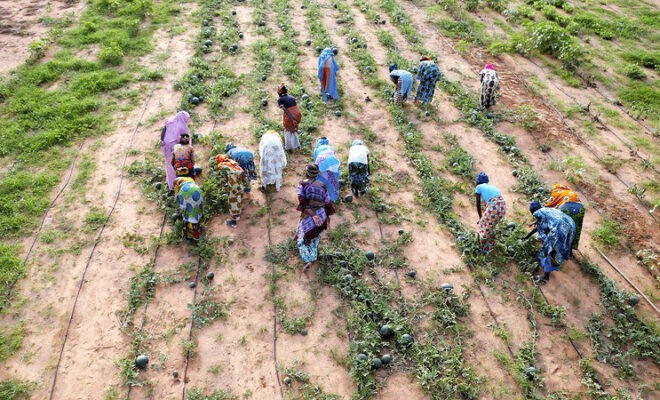
The agricultural sector emerged as the fastest-growing industry, expanding by 17.4% in 2025. The strong rebound significantly contributed to the country’s overall economic performance.
Agriculture’s growth highlights the sector’s increasing importance in supporting economic stability, food production, and rural employment in South Africa.
Services Sector Also Supports Growth
In addition to agriculture, several service-based industries played an important role in driving economic expansion.
Key contributors included:
- Finance and banking services
- Real estate and business services
- Trade, catering, and accommodation sectors
Together, these industries helped sustain economic activity throughout the year.
Majority of Economic Sectors Show Positive Performance
According to Statistics South Africa, seven out of the country’s ten economic sectors recorded positive growth contributions in 2025, reflecting a gradual recovery in parts of the economy.
However, analysts note that the country still faces structural challenges such as energy constraints, unemployment, and slow investment growth, which continue to limit stronger economic expansion.
South Africa’s GDP Estimated at $426 Billion
Data from the International Monetary Fund estimates South Africa’s nominal gross domestic product (GDP) reached approximately $426 billion in 2025.
This keeps South Africa among the largest economies in Africa, with agriculture, services, mining, and manufacturing remaining key pillars of the national economy.
While growth remains modest, the rebound in agriculture and services indicates areas of resilience that could support broader economic recovery in the coming years.


