Government Intensifies Livestock Disease Control to Protect Farmers and Export Markets
Available in

Kenya Expands Vaccination and Breeding Programs As Livestock Sector Faces Disease And Export Pressures.
The Kenyan government is intensifying livestock disease control measures as authorities move to protect farmers, strengthen export markets and improve productivity across one of the country’s most important agricultural sectors.
The State Department of Livestock Development says it will work closely with county governments and industry stakeholders to roll out coordinated interventions targeting some of the biggest challenges facing livestock producers, including recurring disease outbreaks, degraded grazing lands and weak market access.

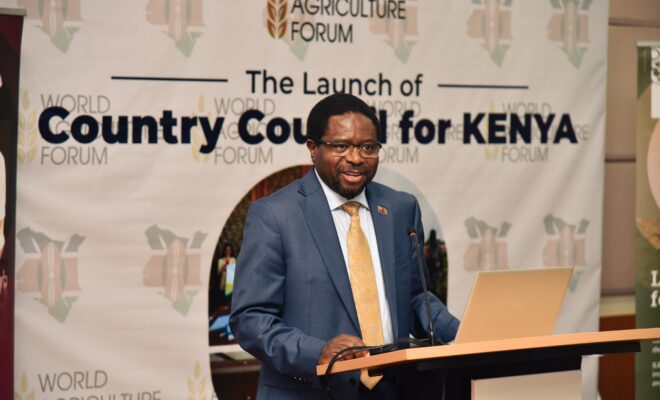
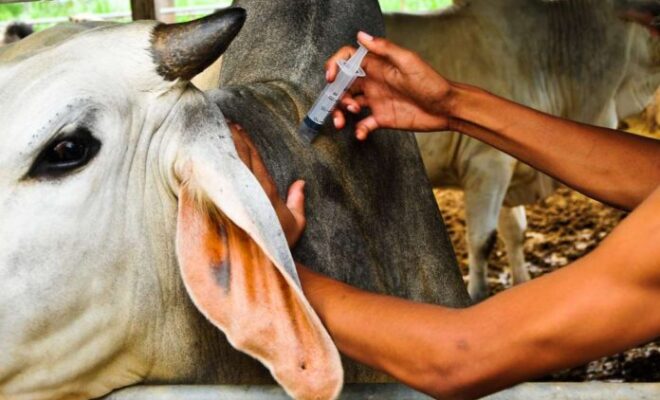
Speaking during the 2026 Mt Kenya Branch Agricultural Society (ASK) Show in Nanyuki, Principal Secretary Jonathan Mueke said the government was prioritising nationwide vaccination campaigns alongside investments in improved livestock genetics through artificial insemination and breeding programmes.
The renewed focus comes as Kenya seeks to safeguard a livestock industry that contributes approximately 42% of the country’s agricultural gross domestic product and around 12% of national GDP. The sector also accounts for nearly 30% of Kenya’s agricultural products and remains a major source of income and employment for rural communities.
According to the Cabinet Secretary for Agriculture and Livestock Development, Mutahi Kagwe, demand for livestock products is expected to rise significantly as population growth and increasing household incomes drive higher consumption of meat, dairy and related products.
Disease Outbreaks Continue To Threaten Trade and Farmer Incomes
Livestock disease outbreaks, particularly Foot-and-Mouth Disease (FMD), continue to pose serious risks to Kenya’s livestock economy. The disease regularly disrupts livestock movement across pastoral regions and restricts access to domestic and international markets.
The impact of these outbreaks was visible during this year’s ASK Show, where livestock participation was noticeably lower than in previous years. Organisers and farmers attributed the reduced number of animals on display to fears of disease transmission.
Laikipia County, one of Kenya’s leading producers of premium beef and mutton for both domestic and export markets, has been among the regions affected by recurring outbreaks. Farmers say disease-related movement restrictions and biosecurity concerns continue to disrupt production and marketing activities.
Industry stakeholders warn that limited exhibition opportunities also reduce farmers’ access to modern production knowledge, breeding technologies and market networking platforms that are critical for sector growth.
Export Markets Face Additional Pressure from Global Instability
Kenya’s livestock sector is also facing external market pressures linked to geopolitical instability and global trade disruptions.
The ongoing conflict involving the United States, Israel and Iran has reportedly affected Kenya’s beef export trade to parts of the Middle East, one of the country’s key livestock export destinations. Export disruptions have contributed to financial losses for producers and exporters as uncertainty continues to affect regional supply chains and commodity markets.
The Middle East remains an important destination for Kenyan livestock products, particularly beef and live animal exports. Any disruption in trade flows or shipping logistics can quickly affect farmgate prices, processing activity and rural incomes.
Government Targets Long-Term Sector Resilience
Kenyan authorities say the current interventions form part of a broader strategy to modernise and commercialise the livestock sector while improving resilience against climate and disease-related shocks.
The government’s livestock improvement plans include expanding access to veterinary services, strengthening disease surveillance systems, improving animal genetics and supporting sustainable rangeland management.
Artificial insemination and breeding programmes are expected to help farmers improve herd quality, increase meat and milk yields, and strengthen competitiveness in both local and export markets.
Agricultural analysts say stronger disease control systems will be critical if Kenya hopes to expand livestock exports under regional and international trade agreements, including opportunities emerging under the African Continental Free Trade Area framework.
The government also faces growing pressure to improve livestock infrastructure, including quarantine facilities, cold chain systems, abattoirs and traceability mechanisms needed to meet increasingly strict export standards.
As demand for animal protein continues to grow across Africa and global markets, Kenya’s livestock sector is expected to play an increasingly important role in food security, rural employment and export diversification.