

Czech Agricultural Technologies Set to Support Climate-Resilient Farming in Zambia
Available in

The Czech Republic is strengthening agricultural cooperation with Zambia through a new initiative aimed at introducing Czech agricultural technologies and expertise to support more productive and climate-resilient farming systems.
The project, implemented by Caritas Czech Republic in partnership with the Czech Development Agency, brings together development, academic and private sector partners to identify technologies suited to Zambia’s agricultural needs.
According to Martin Jurkovič, Secretary General of the Czech Agricultural and Forestry Machinery Association (AZET), the initiative seeks to combine development objectives with opportunities for long-term business partnerships.
“We believe well-designed development projects should address real local needs while creating opportunities for Czech companies to gain experience, establish partnerships and build a sustainable presence in emerging markets,” Jurkovič said.
AZET, which represents around 40 Czech agricultural machinery manufacturers, worked to identify technologies appropriate for Zambia’s farming conditions. The assessment focused not only on company interest but also on ensuring that products could effectively address local agricultural challenges.
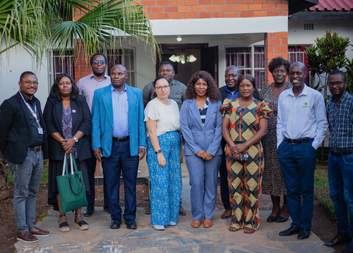
As part of the programme, representatives from selected Czech companies travelled to Zambia to meet farmers, institutions and potential business partners.
Jurkovič said personal engagement is essential for building trust and understanding local operating conditions.
“Technology alone is not enough. Long-term cooperation depends on trust, and personal visits help companies better understand local farming realities, infrastructure constraints and service requirements,” he explained.
The initiative is also supported by the Czech Embassy, helping strengthen confidence among local stakeholders and laying the foundation for future collaboration.
A reciprocal visit by Zambian representatives to the Czech Republic is planned to allow potential partners to visit manufacturing facilities, observe technologies in operation and explore practical applications for Zambian agriculture.
A key focus of the project is ensuring long-term sustainability through local capacity building. Plans include training local operators, developing service networks and ensuring access to spare parts to support ongoing maintenance and operation of the equipment.
“Technology transfer must go hand in hand with skills development. The objective is to create conditions for sustainable use long after the project itself has ended,” Jurkovič said.
The project also highlights the role of international partnerships in supporting agricultural transformation. Czech agricultural technology manufacturers have a long history of exporting machinery globally, with brands such as Zetor becoming well known across international markets.
Jurkovič noted that development cooperation can create benefits for both sides by improving agricultural productivity in partner countries while opening new export opportunities for Czech companies.
“There does not have to be a contradiction between development assistance and economic cooperation. When projects are designed fairly and sustainably, they can deliver long-term benefits for local communities and participating businesses alike,” he said.
The initiative is expected to contribute to improved agricultural productivity, climate resilience and food security in Zambia while strengthening economic ties between the two countries.