
Shield Africa Trains Benue Youths and Women in Fish Farming to Boost Food Security
Available in

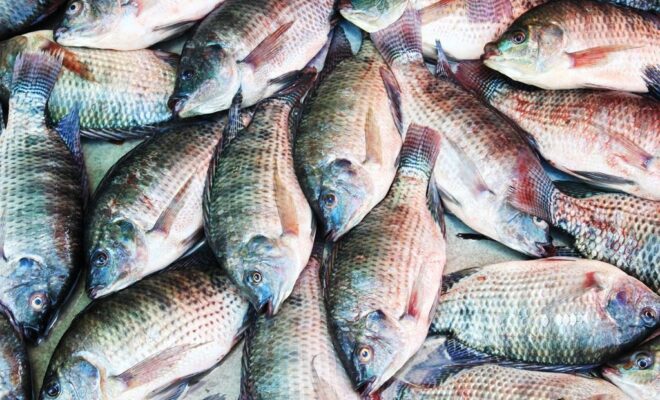
Shield Africa Sustainability and Development Initiative has graduated a new cohort of young people and women from Benue State after a six-month fish farming programme aimed at strengthening food security, creating jobs and promoting agribusiness development.
The Shield Africa Sustainability and Development Initiative has expanded efforts to promote food security and youth empowerment in Nigeria through the graduation of participants from its 2025/2026 Shield Africa Farmers’ Academy (SAFA) in Benue State.
Implemented in partnership with the Joseph Sarwuan Tarka University of Agriculture, Makurdi, the six-month programme provided free practical training in fish production, aquaculture management and agribusiness development to youths and women from Oju Local Government Area.

The initiative forms part of broader efforts to strengthen agricultural productivity, reduce unemployment and support sustainable rural livelihoods through skills development and enterprise creation.
Building Nigeria’s Aquaculture Sector
Speaking at the graduation ceremony, Shield Africa President Osenaga Orokpo said the Farmers’ Academy was established to equip participants with practical agricultural skills and entrepreneurial knowledge needed to build successful agribusinesses.
She noted that the programme focuses on developing sustainable agricultural enterprises while creating employment opportunities and improving household incomes in rural communities.
Participants received hands-on training in fish production techniques, water quality management, farm operations and business development to prepare them for commercial aquaculture.
Empowering Young Agripreneurs
Beyond technical training, beneficiaries received start-up support designed to enable them to establish their own fish farming businesses immediately after graduation.
The empowerment packages included fingerlings, start-up capital and other production support aimed at reducing barriers to entry into the aquaculture sector.
According to the organisers, combining technical training with production inputs and market-oriented entrepreneurship is expected to improve the long-term sustainability of the beneficiaries’ businesses.
The initiative also seeks to encourage greater youth and women’s participation in Nigeria’s agricultural value chains.
Fish Farming Supports Food Security
Nigeria’s aquaculture industry continues to play an increasingly important role in addressing rising domestic demand for fish while reducing dependence on imports.
Expanding fish farming production can improve food availability, generate employment, increase household incomes and contribute to national nutrition and food security objectives.
Programmes that strengthen small-scale aquaculture are also expected to support rural economic development by creating opportunities across the fish value chain, including production, processing, marketing and distribution.
Strengthening Agricultural Skills and Rural Development
Stakeholders at the graduation ceremony described the programme as an important contribution to agricultural development, youth employment and community resilience.
By investing in skills development, entrepreneurship and access to productive resources, initiatives such as the Shield Africa Farmers’ Academy are helping build a new generation of agripreneurs capable of driving agricultural transformation.
As Nigeria continues to prioritise food security and economic diversification, partnerships between non-governmental organisations, educational institutions and local communities are expected to play an increasingly important role in expanding agricultural production and supporting inclusive rural development.