
African Innovators Harness AI And Smart Technology To Transform Farming

Available in

African researchers and innovators are increasingly turning to artificial intelligence and digital technologies to address challenges affecting agriculture, healthcare and livelihoods, demonstrating how locally developed solutions can tackle some of the continent’s most pressing needs.
Among them is Ugandan researcher Dr Rose Nakasi, whose team is combining a smartphone, microscope and artificial intelligence to improve disease diagnosis in areas where specialised laboratory expertise may be limited.
At Makerere AI Health Lab, a 3D-printed adapter connects a smartphone to a microscope, allowing images of patient samples to be captured and analysed by AI models trained to identify disease-causing pathogens. The technology is being developed to support faster and more accessible diagnosis of diseases including malaria, tuberculosis and cervical cancer.

Early results have been encouraging, with the malaria diagnostic model achieving 92% specificity and the cervical cancer model recording more than 94% accuracy. More than 150 laboratory technicians and 10 pathologists have also been trained, while the system is being implemented in more than 35 health facilities across Uganda.
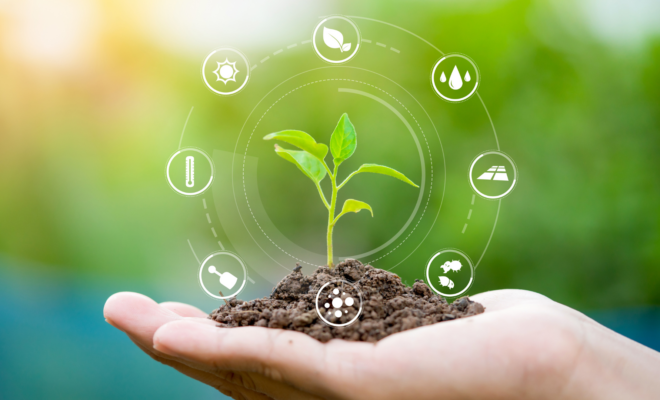
In Rwanda, Clemence Uwamutarambirwa is applying smart technology directly to agricultural production through her Smart Potato Greenhouse Technology. The system combines sensors, cloud-based analytics and a mobile application to allow farmers and greenhouse managers to monitor growing conditions remotely.
Sensors continuously track temperature, humidity and soil moisture before transmitting the data to a cloud platform for analysis. Farmers can receive alerts on their mobile phones and remotely manage irrigation, while the system also incorporates hydroponic production techniques.
The technology is designed to improve potato seed production, conserve water and reduce exposure to soil-borne pathogens. Remote monitoring can also give greenhouse operators greater control over growing conditions and improve the security and management of their crops.
The two innovations highlight a broader opportunity for Africa to use digital technologies to solve challenges using solutions adapted to local conditions. Rather than relying solely on technologies developed elsewhere, African researchers are increasingly developing tools around the continent’s specific healthcare, farming and infrastructure needs.
However, experts say technology alone will not be enough to unlock Africa’s innovation potential. Dr Margaret Karembu, Director of ISAAA AfriCenter and Chair of Africa Women for Biosciences, stressed the importance of stronger institutional support, networks and opportunities for women entering science and technology.
As African agriculture becomes increasingly exposed to climate pressures, resource constraints and growing food demand, technologies such as AI, sensors, mobile applications and data analytics could become increasingly important. Expanding access to these tools, skills and financing could help farmers improve productivity while making agricultural systems more efficient and resilient.