

Zambian Startup Uses AI and Satellite Data to Transform Farm Management
Available in

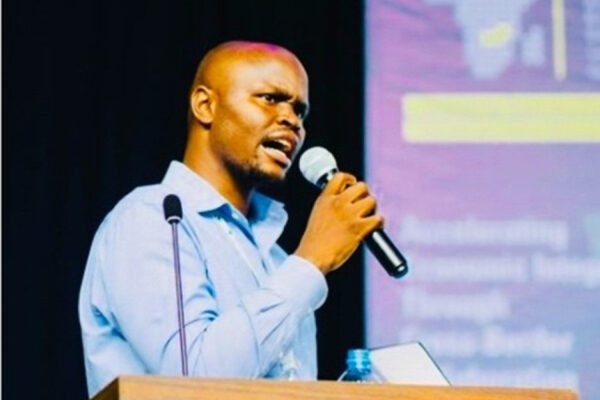
Zambian entrepreneur Thomas Fred Lungu is using artificial intelligence and satellite technology to help farmers make more informed decisions about crops, soil and agricultural inputs.
Lungu, a software developer and data scientist, co-founded Mytochondria in 2023 with the aim of improving farm management across Africa. The company’s platform uses satellite imagery and artificial intelligence to analyse agricultural land and translate data into practical recommendations for farmers.
The technology assesses factors including soil quality, moisture, temperature and nutrient levels. Farmers can use the information to determine when irrigation is required, optimise fertiliser application and identify unusual conditions that could affect crop performance.

The platform also provides harvest forecasts, giving farmers additional information to support planning and resource management throughout the production cycle.
By combining satellite data with AI-driven analysis, Mytochondria aims to reduce unnecessary use of water and agricultural inputs while improving productivity. The approach is also intended to support more sustainable farming practices and strengthen the ability of farmers to respond to changing climate conditions.
Lungu, who earned an economics degree from the University of Zambia in 2018, currently serves as chief executive of Mytochondria.
The startup has received support from technology and agribusiness organisations including Google Startups for Sustainable Development, Katapult Africa, Open Startup International and Zambian innovation hub BongoHive.
Mytochondria has also gained recognition through entrepreneurship programmes and competitions. The company received recognition at the Zanaco Awards and finished second in the African Union’s “Hunting for Africa’s Unicorns” competition, which seeks to identify and support emerging technology companies across the continent.
The company’s development reflects a wider push to apply digital technologies to Africa’s agricultural challenges. As farmers face pressure from climate variability, rising input costs and limited access to timely information, tools that combine satellite monitoring and artificial intelligence could provide additional support for more precise and resource-efficient production.


