Saudi Aid Agency Supports Drought-Resilient Farming in Tanzania

Available in

Saudi Arabia’s humanitarian aid agency, KSrelief, has launched an agricultural project in Tanzania’s Dodoma region aimed at strengthening drought resilience, diversifying farmer incomes and supporting local food security.
Implemented in cooperation with the United Nations Food and Agriculture Organization (FAO), the project will involve the planting of 3,000 date palm seedlings and the establishment of pilot fields to demonstrate suitable farming practices.
The initiative will also provide irrigation systems and agricultural machinery while training local farmers and agricultural extension officers in improved production techniques.

The project is expected to directly support 250 smallholder farmers and indirectly benefit approximately 1,150 people in surrounding communities.
Dodoma is among Tanzania’s areas exposed to water shortages and variable rainfall, making drought-resilient agricultural systems increasingly important for rural livelihoods. By introducing date palms alongside improved irrigation and farmer training, the initiative is intended to create additional income opportunities while strengthening the resilience of farming households.
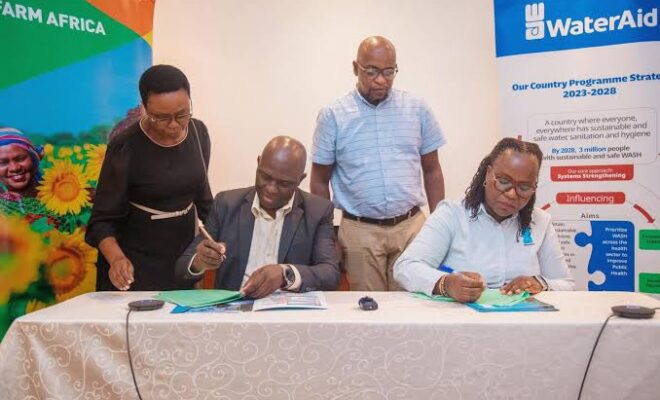
The launch was attended by Saudi Ambassador to Tanzania Yahya Okeish, Tanzanian Deputy Minister of Agriculture David Silinde, FAO representative Nyabenyi Tipo and other government and development officials.
The project forms part of broader cooperation between Saudi Arabia and Tanzania in sustainable agriculture and food security, with an emphasis on strengthening the capacity of smallholder farmers and improving agricultural productivity in vulnerable communities.
For Tanzania, initiatives that combine irrigation, mechanisation, farmer training and crop diversification could help reduce the impact of increasingly unpredictable weather conditions while creating new opportunities for rural households.
The date palm project also demonstrates the potential for partnerships between governments, international development organisations and agricultural communities to introduce climate-resilient production systems suited to local conditions.