
Kenya Reports 5.6 Billion Litres of Annual Milk Production as Dairy Sector Expands
Available in

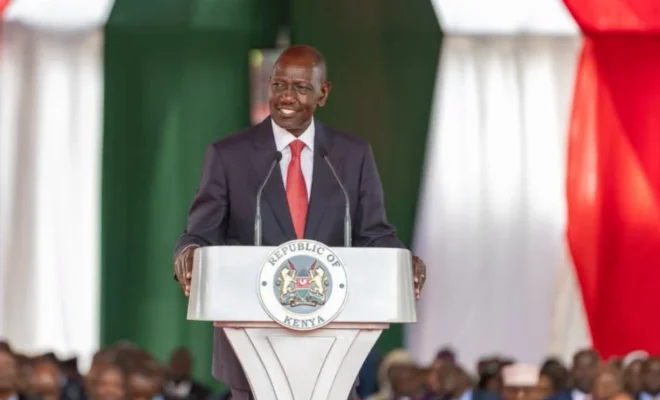
Kenya’s annual milk production has increased to 5.6 billion litres from approximately 4.5 billion litres, with President William Ruto declaring the country Africa’s largest milk producer as the government highlights progress in agricultural transformation.
Speaking at the Agriculture and Food Security Transformation Summit at Jamhuri ASK Showground in Nairobi on 8 October 2026, Ruto attributed the increase to agricultural reforms aimed at lowering production costs and improving farmers’ productivity.
The president highlighted reductions in fertiliser prices, which he said had helped farmers grow fodder and produce silage for livestock. Improved access to animal feed is an important factor in dairy production, particularly as farmers seek to maintain milk yields and manage feeding costs.

Ruto also pointed to higher prices paid to dairy farmers, saying the amount producers received per litre had increased from KSh35 four years ago to KSh50, with payments moving towards KSh60.
“It’s not just the price going up, we are producing more milk today,” Ruto said, emphasising the combination of increased output and improved returns to farmers.
The reported increase from 4.5 billion to 5.6 billion litres represents growth of approximately 24%, indicating an expansion in Kenya’s dairy output. Higher production could support domestic milk supplies, strengthen dairy processing and create opportunities across the value chain, including animal feed production, transportation and distribution.
However, sustaining this growth will depend on farmers’ ability to manage feed costs, animal health, access to markets and changing weather conditions. Reliable milk collection systems, adequate cold-chain infrastructure and competitive processing capacity will also be important in reducing losses and ensuring producers can sell their output.
Kenya’s dairy sector plays a significant role in rural livelihoods and food security, supporting farmers and businesses involved in milk production and processing. Continued productivity improvements could also create opportunities to expand value-added dairy products and strengthen the industry’s commercial potential.
Ruto’s remarks place increased milk production among the government’s reported agricultural gains. The longer-term impact will depend on whether higher output and farm-gate prices translate into sustainable profitability for producers while maintaining affordable milk supplies for consumers.