
African Countries Strengthen Cooperation on Sustainable Marine Trade
Available in

African countries are working to strengthen cooperation between fisheries authorities and wildlife trade regulators to ensure international trade in marine species is legal, sustainable and supported by effective national legislation.
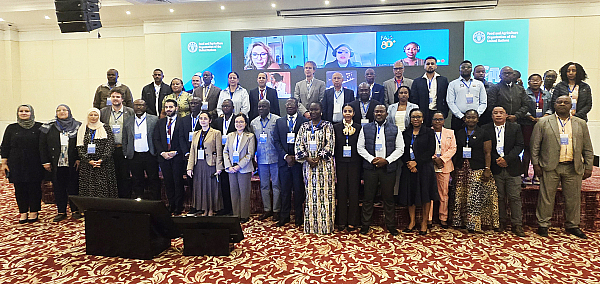
Representatives from 22 African coastal countries made the commitment during a regional workshop jointly organised by the Convention on International Trade in Endangered Species of Wild Fauna and Flora (CITES) Secretariat and the Food and Agriculture Organization of the United Nations (FAO) from 29 September to 1 October 2026.
The initiative comes as Africa produces more than 7 million tonnes of aquatic animals annually through marine capture fisheries, highlighting the economic importance of sustainable fisheries management and well-coordinated trade regulations.

CITES Secretary-General Ivonne Higuero emphasised the importance of adapting international conventions to support the responsible management and trade of fisheries and aquatic resources across Africa. She noted that fisheries play a fundamental role in food security, livelihoods and national economies, while effective regulation is essential to ensuring that international wildlife trade remains legal and sustainable.
Farayi Zimudzi, FAO Subregional Coordinator for Eastern Africa and Representative to the African Union and the United Nations Economic Commission for Africa, stressed that fisheries management, wildlife trade regulation and marine conservation are increasingly important in addressing food security challenges.
The workshop focused on improving coordination between national fisheries administrations and CITES authorities as the number of commercially exploited aquatic species regulated under the convention continues to grow. More than 2,000 marine species, including sharks, rays, sea cucumbers and corals, are currently listed under CITES.
Implementing the convention requires countries to assess whether international trade will harm the survival of listed species, verify that specimens have been legally acquired and apply relevant rules to marine species taken in international waters.
FAO and CITES are supporting countries in aligning these requirements with national fisheries legislation, institutions and management systems. Participants discussed legal frameworks, trade traceability, monitoring of sharks and rays, and information-sharing between fisheries and wildlife authorities.
The workshop also introduced the FAO Fisheries and Resources Monitoring System (FIRMS), demonstrating how information from licensing, catch documentation, monitoring and fisheries-management measures can support CITES implementation.
Representatives from regional fisheries organisations, including the Indian Ocean Tuna Commission and the Subregional Fisheries Commission, highlighted the role of regional cooperation in conservation measures, scientific data collection and information exchange.
Participants concluded that stronger collaboration between fisheries administrations and CITES management and scientific authorities will be essential to improving enforcement, protecting marine biodiversity and supporting sustainable international trade.
For African coastal economies, better coordination could help strengthen fisheries governance while protecting the marine resources on which fishing communities, food systems and export markets depend.