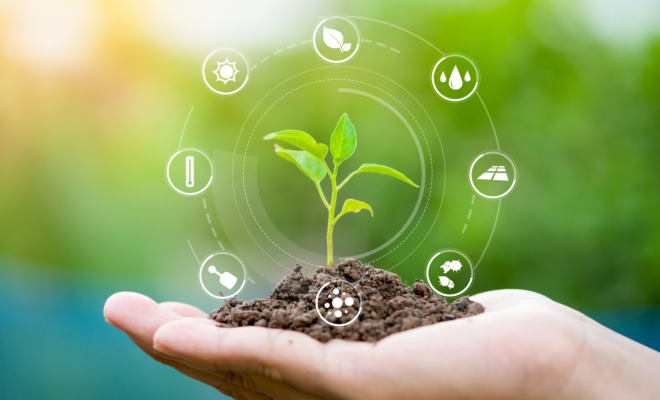

AI Could Transform African Agriculture and Reduce Food Losses

Available in

Artificial intelligence could play a growing role in transforming African agriculture by improving farmers’ access to information, strengthening supply chains and reducing food losses, according to experts.
The technology could support farmers with decisions on crop diseases, weather conditions, fertiliser application, production planning and market prices, while also helping improve the movement of agricultural produce from rural areas to consumers.
Adrian Webb, a lecturer in AI ethics and technology, said one of the biggest opportunities for artificial intelligence in agriculture was its ability to address information gaps affecting farmers, particularly smallholder producers.

Farmers often need timely and reliable information to identify crop diseases, respond to changing weather, determine appropriate fertiliser applications and find the best markets for their produce.
Webb suggested that AI-powered chatbots designed specifically for farmers could provide rapid responses to agricultural questions and help producers make more informed decisions.
However, he stressed that AI should complement rather than replace the knowledge and experience of farmers and agricultural professionals.
The potential applications also extend beyond production. Webb said AI could help identify weaknesses in agricultural supply chains by analysing information on production levels, commodity movements and market prices.
Food losses can occur when harvested produce becomes stranded because of inefficient transportation, distribution or market systems. AI-based tools could help identify these bottlenecks and improve the coordination of agricultural commodities from farms to markets.
Better access to market information could also help farmers determine when and where to sell their produce, allowing them to respond more effectively to changes in demand and prices.
Experts said AI could eventually support multiple stages of the agricultural value chain, including farming, extension services, storage, transportation, processing and marketing.
Digital systems could also have applications in public agricultural programmes. Webb noted that technology could help track government funding, procurement processes and the distribution of agricultural inputs, potentially improving accountability and transparency.
Despite its potential, experts warned that unequal access to technology could prevent many African farmers from benefiting from AI.
Farmers without smartphones, reliable electricity, internet connectivity or adequate digital skills could be left behind as agricultural services become increasingly digital.
Webb therefore called for greater investment in rural connectivity, digital literacy and human capacity alongside investment in AI technologies.
Danette Copestake, another AI expert, said artificial intelligence should be used to enhance human capabilities rather than make people redundant. She also encouraged women, including those working in agriculture, to make use of AI while retaining human judgment and critical thinking.
The experts also highlighted the role of agricultural organisations and development groups in making digital services accessible to rural communities. Organisations working directly with farmers could help bring AI-enabled information and services closer to communities that may otherwise struggle to access them.
For Africa’s agricultural sector, the opportunity lies in combining AI’s ability to process large amounts of information with the practical knowledge of farmers and agricultural professionals.
If supported by better digital infrastructure, connectivity and skills development, AI could become an important tool for improving farm-level decisions, strengthening agricultural markets and reducing losses across the continent’s food value chains.