
South African Agriculture Records Mixed Performance in 2025, with Improved Outlook for 2026

Available in

School children learning agriculture farming Johannesburg South Africa
South Africa’s agricultural sector delivered uneven results in 2025, reflecting contrasting performances across subsectors. While some industries recorded solid gains, others continued to grapple with cost pressures, logistics challenges, and market uncertainty. Looking ahead, early indicators suggest a more supportive operating environment in 2026 as input costs are expected to moderate and grain production prospects improve.
According to Loffie Brandt, head of sales enablement at Absa AgriBusiness, producers are entering the new year with cautiously improved confidence. He noted that easing cost pressures and a potentially stronger grain harvest could play a key role in shaping production and investment decisions in the year ahead.

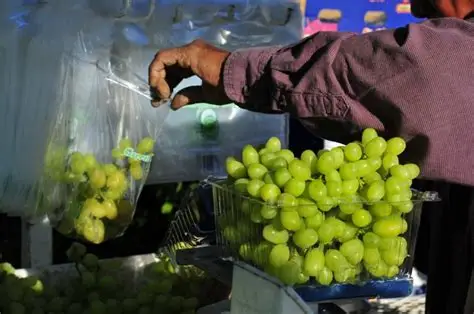
Performance within the fruit and horticulture sectors was notably positive during 2025, particularly in South Africa’s Cape regions. Citrus exports remained resilient despite the introduction of tariffs in the United States, underscoring the sector’s competitiveness and diversified market access. Stone fruit producers benefited from improved port efficiency and favourable weather, while table grape growers maintained strong quality and packout rates, marking a second consecutive season of stable production outcomes. As a result, net farm income among fruit producers showed year-on-year improvement.
Brandt highlighted that lower anticipated input costs, combined with improved grain prospects, could enhance farm planning in 2026. These conditions are expected to influence planting decisions, cash-flow strategies, and risk management across multiple subsectors. He also stressed the importance of aligning production planning with logistics performance and export market access, particularly for producers exposed to international trade.
Despite the improving outlook, challenges remain. The sector’s performance in 2026 will continue to depend heavily on weather conditions, cost structures, logistics reliability, and trade dynamics. While some industries are entering the new year with favourable indicators, others remain vulnerable to persistent pressures related to input prices, infrastructure constraints, and policy uncertainty.
As South Africa’s agricultural economy moves into 2026, the balance between opportunity and risk will remain a defining feature, requiring careful planning and adaptability from producers across the value chain.