

Great Green Wall Initiative: Progress, Challenges and Opportunities for African Agriculture
Available in

By Linda Nkonde/Agrifocus Africa Journalist
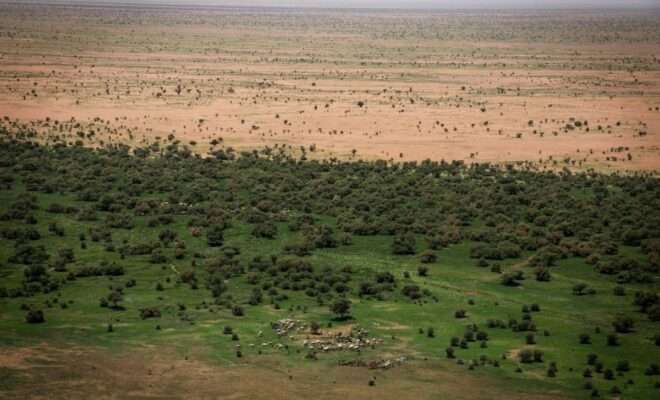
The Great Green Wall for the Sahara and the Sahel, an ambitious pan-African environmental and agricultural initiative, continues to evolve as a crucial strategy for combating desertification, building climate resilience, and enhancing agricultural productivity throughout the Sahel region.
Originally conceived in 2007, the project aimed to span across the breadth of the Sahel and Sahara with green corridors of restored ecosystems, transforming degraded lands into fertile, productive landscapes. Over time, the initiative has expanded beyond a tree-planting campaign into a multifaceted program incorporating water harvesting, soil improvement, and climate-smart land use practices.

The Latest on Progress and Impact
Recent reports indicate mixed progress across participating countries. While some areas have seen significant re-vegetation and soil rehabilitation, challenges remain in coordination, funding and sustained implementation on the ground. By 2030, the Great Green Wall aims to restore 100 million hectares of degraded land, create millions of rural jobs, and enhance food security for local communities.
Agricultural Benefits Beyond Carbon Capture
Restored landscapes help:
- Increase soil fertility
- Improve water retention
- Support smallholder crop yields
- Provide fodder and fuelwood for rural families
These outcomes are instrumental in reducing vulnerability to drought and enabling more robust farming systems in an era of climate uncertainty.
Challenges and the Road Ahead
Despite its promise, the initiative still faces:
- Insufficient political integration and funding commitments
- Security concerns in some Sahelian nations
- Limited technical capacity for long-term stewardship
Bridging these gaps will require coordinated support from governments, regional bodies and international partners, as well as inclusive engagement with farming communities who stand to benefit most.


