
Nigeria Seeks Stronger Partnership with Israel in Agriculture, Security and Technology

Available in

Nigeria has reaffirmed its interest in strengthening bilateral relations with Israel across key sectors including agriculture, security, defence, healthcare, education and technology as part of efforts to accelerate economic growth and national development.
The commitment was outlined by the Secretary to the Government of the Federation, George Akume, during a meeting with Israel’s Ambassador to Nigeria, Michael Freeman, in Abuja.
Akume highlighted Nigeria’s vast agricultural potential, large population and abundant natural resources, noting that stronger international partnerships could help unlock opportunities in food production, technology development, education and healthcare.

He also praised Israel’s achievements in agricultural innovation, water management, healthcare and technological development, describing the country as an example of how strategic planning and innovation can overcome environmental and resource constraints.
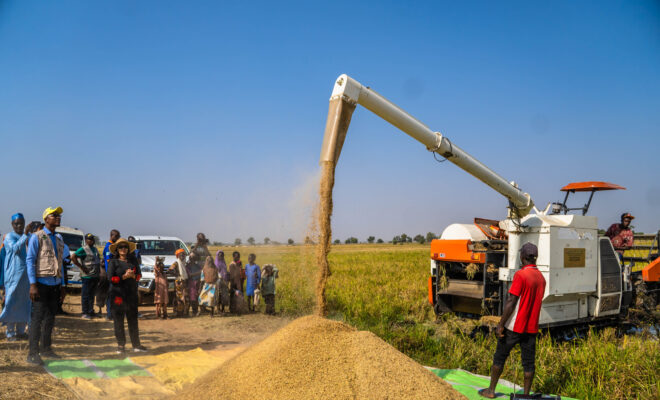
For agriculture, the discussions focused on how Israel’s expertise in irrigation systems, precision farming and agricultural technology could help Nigeria boost food production and improve productivity across its farming sector.
Ambassador Freeman said Israel was ready to support Nigeria’s efforts to modernise agriculture and strengthen food security. He pointed to Israel’s success in transforming arid and desert regions into productive farming areas through advanced irrigation techniques and innovative farming practices.
According to Freeman, enhanced cooperation could help Nigeria increase agricultural output, reduce food insecurity and expand exports of agricultural commodities to international markets.
Security cooperation was another major area of discussion. The ambassador noted that both countries face similar challenges related to terrorism and insecurity and emphasized the importance of international collaboration in addressing evolving security threats.
The talks explored potential areas of cooperation including military training, cybersecurity, border security, intelligence gathering, illicit financial flow monitoring and tactical operational support.
Also participating in the discussions, Adeyinka Famadewa said Nigeria could benefit from Israel’s advanced security technologies and experience in counter-terrorism operations.
He stressed the importance of enhanced intelligence sharing, specialised training programmes and capacity-building initiatives to strengthen Nigeria’s security architecture.
The renewed engagement reflects Nigeria’s broader strategy of seeking international partnerships that can support agricultural transformation, improve national security and drive economic diversification.
Agriculture remains a central priority for Nigeria as the government seeks to increase food production, reduce import dependence and expand non-oil exports. Collaboration with Israel could provide access to technologies and expertise that support improved irrigation, mechanisation, climate resilience and value-added agricultural production.
The discussions also come at a time when many African countries are increasingly looking to technology-driven agricultural solutions to address food security challenges, improve productivity and strengthen rural economies.