

Nigerian Researchers Cultivate Wild Mushroom Using Agricultural Waste
Available in

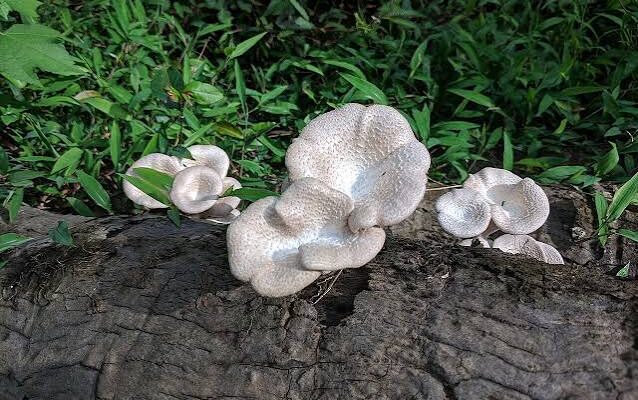
Researchers in Nigeria have successfully cultivated the wild edible mushroom Lentinus squarrosulus using sawdust, demonstrating a breakthrough that could support sustainable mushroom farming, improve food security and create new income opportunities for rural communities.
The research shows that agricultural and forestry waste can serve as an effective growing medium for the mushroom, offering a practical approach to commercial cultivation while reducing waste.
Wild Mushroom Offers Nutrition and Medicinal Benefits

Lentinus squarrosulus naturally grows on decaying logs in tropical forests across West Africa, including eastern Nigeria. The species is valued for both its nutritional and medicinal properties but is becoming increasingly vulnerable due to habitat loss and deforestation.
According to lead researcher Chiemeziem Agbonma Onyeka from the Federal University of Technology, Owerri, domesticating the mushroom could provide an affordable and reliable source of protein while helping conserve wild populations.
“Mushroom farming in Africa is still developing. In many regions, there is still limited awareness that mushrooms can be cultivated as a reliable year-round agricultural crop rather than only collected from the wild during specific seasons,” Onyeka said.
Agricultural Waste Proves Effective Growing Medium
As part of her doctoral research, Onyeka investigated whether the mushroom could be cultivated using readily available agricultural waste products.
The research team collected wild specimens and tested cultivation using sawdust from three tree species:
- African breadfruit (Treculia africana)
- Mango (Mangifera indica)
- African pear (Dacryodes edulis)
The study found that mushrooms grew fastest and produced the highest number of fruiting bodies when cultivated on African breadfruit sawdust, followed by mango sawdust.
The findings highlight the potential to convert low-value agricultural by-products into productive growing substrates for commercial mushroom production.
Opportunity For Sustainable Mushroom Farming
Although mushroom cultivation remains a relatively small agricultural sector in many African countries, interest is growing because mushrooms require limited land, recycle agricultural waste and provide high-value nutritional products.
Onyeka believes wider adoption will depend on refining cultivation techniques and working closely with farmers, extension services and private-sector partners.
“The immediate focus is on refining and standardising cultivation protocols to ensure reproducibility at scale. Engagement with farmers, extension systems and private-sector partners will be essential for translation into commercial production,” she said.
She also encouraged aspiring mushroom farmers to obtain proper technical training and maintain high hygiene standards throughout the production process.
Experts Call For Further Economic Evaluation
While the research demonstrates successful cultivation, experts note that additional work is needed before widespread commercial adoption.
Omoanghe Isikhuemhen, a mushroom specialist at North Carolina Agricultural and Technical State University, said future research should evaluate the crop’s biological efficiency—a measure of fresh mushroom yield relative to the amount of growing substrate used.
He noted that this indicator will help determine the economic viability and profitability of large-scale production.
Supporting Food Security And Circular Agriculture
The successful cultivation of Lentinus squarrosulus demonstrates how agricultural waste can be transformed into valuable food products while reducing pressure on wild mushroom populations.
As African countries seek sustainable farming systems and new income opportunities for smallholder producers, innovations that convert agricultural residues into high-value crops could play an increasingly important role in strengthening food security, promoting circular agriculture and supporting rural livelihoods.


