
USDA Solar Policy Shift Sends Ripples Across Global Farmland Debate

Available in

By Brandon Moss
The U.S. Department of Agriculture has drawn a firm line in the soil: no more federal funding for solar panel installations on productive farmland. The decision, announced last week by Secretary Brooke Rollins, is already reverberating across global agri-policy circles—including those watching closely from Africa.
For years, American farmers tapped into programs like REAP (Rural Energy for America) to install solar infrastructure, often on land that could otherwise grow food. But with over $2 billion spent and prime acreage increasingly covered in panels, the USDA is now pulling back. Only small-scale systems under 50 kilowatts will be eligible for support until at least August 2026—and even those must prove historical energy use.

Rollins cited food security and land access as key drivers. “We’ve seen too many acres rendered unusable,” she said, “and it’s making land harder to access for real farmers.”
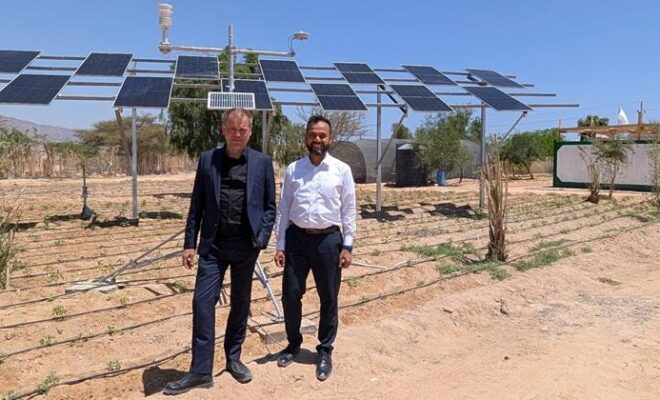
For African stakeholders, the move offers a cautionary tale. As solar investment accelerates across the continent, balancing energy goals with agricultural resilience is becoming urgent. Zambia, Kenya, and South Africa have all seen rising interest in dual-use land models—where solar and crops coexist—but the USDA’s reversal suggests that harmony isn’t guaranteed.
The takeaway for African policymakers? Renewable energy must be integrated with long-term food production strategies, not layered over them. With climate pressures mounting and land competition intensifying, the continent can’t afford to repeat mistakes made elsewhere.
AgriFocus Africa will continue tracking how this shift influences donor priorities, land use frameworks, and the future of agri-energy partnerships across the region.