

Ethiopia’s Renewable Energy Drive Powers a New Era for Agriculture
Available in

A groundbreaking rural electrification initiative in Ethiopia is set to strengthen agricultural production, improve irrigation and create new economic opportunities after securing fresh financial support from the African Development Bank.
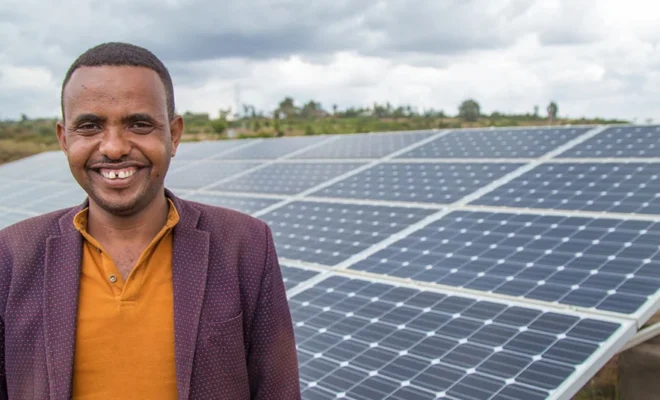
Ethiopia is taking another significant step towards transforming its rural economy through an innovative programme that integrates renewable energy with agricultural development. The African Development Bank (AfDB) has approved a US$2 million reimbursable grant through the Sustainable Energy Fund for Africa (SEFA) to help finance two renewable energy mini-grid projects designed to support farming communities and improve access to reliable electricity.
The funding forms part of a broader US$8 million financing package allocated to the Distributed Renewable Energy and Agriculture Modalities (DREAM) programme, an initiative that is pioneering a new approach to rural development by linking clean energy directly to agricultural production.

The latest investment will support the development of the Lelicho and Murche mini-grid projects, which are being implemented by RVE.SOL ETH Energy Generation Solutions PLC. The funding will cover up to half of the projects’ capital costs, helping accelerate deployment while encouraging greater private-sector participation in Ethiopia’s growing renewable energy sector.
Connecting Energy with Agricultural Growth
Unlike conventional rural electrification projects that focus solely on providing household electricity, the DREAM programme has been designed to stimulate productive economic activity by ensuring energy supports farming operations, irrigation systems and rural enterprises.
The programme addresses what development experts often describe as the water-energy-food nexus, recognising that reliable electricity, efficient water management and agricultural productivity are closely linked. By integrating these sectors, Ethiopia hopes to create stronger rural economies capable of generating employment, increasing food production and improving household incomes.
The initiative follows an innovative “ABC” model that combines anchor electricity users, business demand and community connections. This approach improves the commercial viability of rural mini-grids by ensuring a stable customer base while expanding electricity access to surrounding communities.
By creating dependable revenue streams, the model also reduces investment risk, making rural energy projects more attractive to private investors.
Boosting Rural Productivity
Government officials believe improved energy access will have a direct impact on agricultural productivity, particularly in remote regions where farmers continue to rely on rainfall and limited infrastructure.
Reliable electricity can support irrigation systems, cold storage facilities, agro-processing equipment and small rural businesses, helping reduce post-harvest losses while increasing the value of agricultural products before they reach the market.
The programme also seeks to improve climate resilience by expanding access to renewable energy technologies that reduce dependence on fossil fuels while supporting sustainable farming practices.
Officials say integrating clean energy with agriculture represents a practical solution to improving food security while creating long-term economic opportunities for rural communities.
Partnership Driving Innovation
The DREAM programme has been developed through collaboration between the Ethiopian government, the African Development Bank, the Global Energy Alliance for People and Planet (GEAPP), and several development partners.
The initiative demonstrates how blended financing and strategic partnerships can unlock investment in sectors traditionally viewed as commercially challenging.
By reducing project risks through concessional finance, development institutions are encouraging greater participation from private investors while accelerating infrastructure development in underserved rural areas.
The programme is also expected to serve as a model for similar projects across Africa, where millions of people continue to lack reliable access to electricity despite the continent’s vast renewable energy resources.
Supporting Inclusive Development
Development specialists believe projects that simultaneously address energy access and agricultural production can deliver broader economic benefits than standalone infrastructure investments.
Improved electricity access enables farmers to increase productivity, supports the development of rural businesses, creates employment opportunities and strengthens local value chains. At the same time, renewable energy reduces carbon emissions while improving resilience against climate-related challenges.
The initiative aligns closely with Ethiopia’s broader development objectives, which prioritise expanding rural infrastructure, increasing agricultural output and encouraging sustainable economic growth.
A Scalable African Model
As African countries search for practical ways to improve food security while expanding access to modern energy, Ethiopia’s integrated approach offers valuable lessons for the continent.
Rather than treating electricity and agriculture as separate development priorities, the DREAM programme demonstrates how coordinated investment can generate multiple economic and social benefits from a single infrastructure project.
With support from international development partners and growing private-sector interest, Ethiopia’s latest renewable energy investment could become an important blueprint for accelerating rural transformation across Africa, helping communities build more productive, resilient and sustainable agricultural economies.


